


Why Is My Water Pressure Suddenly Low?


You turn on the shower and barely get enough pressure to rinse your hair. The kitchen faucet suddenly seems weaker than usual. Or maybe the water pressure throughout your entire home has dropped seemingly overnight.
Sudden low water pressure can be more than an inconvenience. In some cases, it may be a sign of a plumbing problem that needs attention.
The cause could be something relatively simple, such as a clogged faucet aerator, or it could point to a hidden water leak, water line problem, pressure regulator issue, or another problem within your plumbing system.
Knowing whether the low pressure affects one fixture or your entire home can help narrow down what's going on.
Why Did My Water Pressure Suddenly Drop?
Water pressure can change for several reasons. Some problems originate inside your home, while others may involve the water supply coming into the property.
Common causes of suddenly low water pressure include:
Clogged faucet aerators or showerheads
Partially closed water valves
Hidden plumbing leaks
Water line leaks or damage
Pressure regulator problems
Corroded or restricted pipes
Problems affecting the municipal water supply
Plumbing work being performed nearby
The first step is determining where you're experiencing the pressure problem.
Is the Low Water Pressure at One Fixture or Throughout the House?
This is one of the easiest ways to begin narrowing down the cause.If only one faucet or shower has low pressure, the problem may be isolated to that particular fixture. For example, mineral buildup can restrict the flow through an aerator or showerhead.
If multiple fixtures throughout the house suddenly have low pressure, the problem may be farther upstream in your plumbing system.
Check several locations, including both hot and cold water, to see how widespread the problem is.
1. A Clogged Faucet Aerator or Showerhead
If low water pressure is limited to a single faucet or shower, start with the fixture itself.
Minerals and debris can accumulate in faucet aerators and showerheads, restricting water flow. Over time, the buildup can become significant enough that you notice a substantial reduction in pressure.
This type of problem is generally different from having low water pressure throughout the entire house.
2. A Hidden Water Leak
One of the more important possibilities to rule out is a plumbing leak.
If water is escaping somewhere in the plumbing system before it reaches your fixtures, you may notice a change in pressure or flow. Depending on the location of the leak, there may not be an obvious puddle of water.
Other possible signs of a hidden leak include:
An unexplained increase in your water bill
Damp or discolored walls or flooring
The sound of running water when fixtures are off
Unexplained moisture
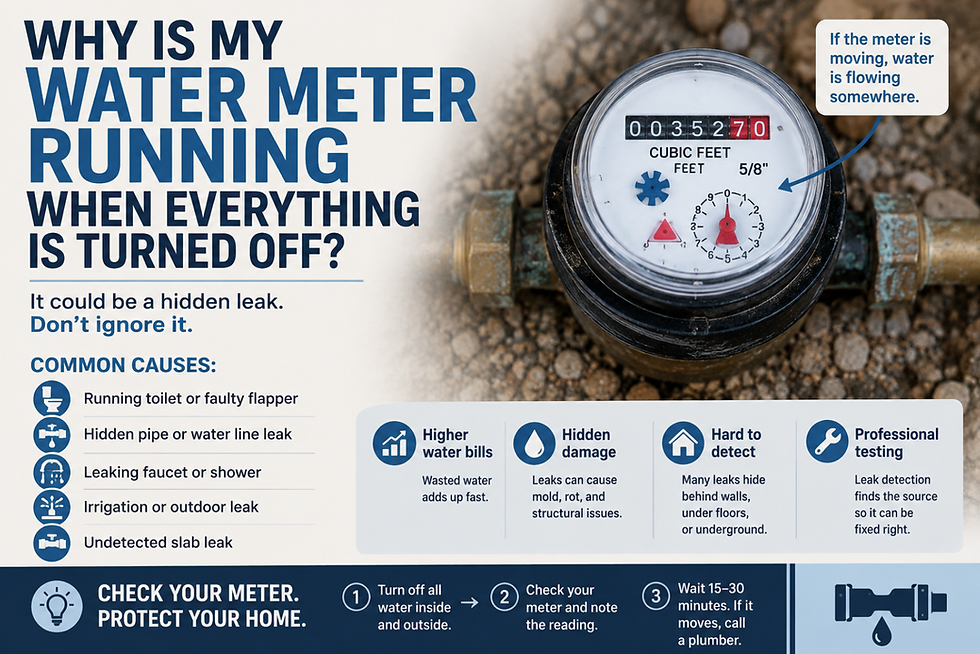
Water meter activity when no water is being used
Warm areas on the floor
If low water pressure occurs along with signs like these, professional leak detection may help determine whether a hidden plumbing leak is responsible.
3. A Water Line Problem
A problem with the water line supplying your home can also affect water pressure.
Leaks, damage, restrictions, or other problems involving the line can reduce the amount of water reaching your plumbing fixtures.
A water line issue may be more likely when the pressure problem affects multiple fixtures throughout the home rather than one isolated faucet.
Because water line problems aren't always visible from inside the house, professional diagnosis may be necessary to determine what's happening.
4. Your Water Pressure Regulator May Have a Problem
Some homes have a pressure regulator that helps control the pressure of the water entering the plumbing system.
If the regulator isn't functioning properly, you may experience water pressure that is too low, too high, or inconsistent.
A sudden change in pressure throughout the home can be a reason to have the system evaluated, particularly if cleaning an individual fixture doesn't solve the problem.
5. A Valve May Not Be Fully Open
Your home's plumbing system includes valves that control the flow of water.
If a main shutoff valve or another supply valve isn't completely open, it may restrict water flow and make the pressure seem unusually low.
This can sometimes happen after plumbing work or after a valve has recently been operated.
However, don't force a valve that is difficult to move or appears damaged. Older valves and plumbing components can deteriorate over time, and forcing one could create another plumbing problem.
6. Corrosion or Buildup Inside Plumbing Pipes
Older plumbing systems can sometimes develop restrictions inside the pipes.
Corrosion, mineral buildup, or deterioration can reduce the interior space available for water to flow. Unlike a clogged aerator, this problem may affect multiple fixtures and can gradually become more noticeable over time.
If low pressure has developed slowly rather than suddenly, the condition of the plumbing itself may be worth investigating.
7. The Problem May Not Be Inside Your Home
Not every drop in water pressure is caused by your home's plumbing.
Temporary work on the municipal water system, a water main problem, or another issue affecting the local supply could result in lower pressure.
If the change happened suddenly, you may want to determine whether nearby homes are experiencing the same issue.
If your neighbors have normal pressure but yours remains low, the problem is more likely to involve your property or plumbing system.
Why Is My Hot Water Pressure Low but Cold Water Pressure Is Fine?
This is an important distinction.
If the pressure problem occurs only when you use hot water, the issue may be associated with the hot-water side of the plumbing system rather than your overall water supply.
For example, there may be a restriction, valve issue, water heater-related problem, or another condition affecting hot-water delivery.
If you're experiencing low hot-water pressure along with other water heater symptoms, it may be time to have the system evaluated.
Learn more about our water heater repair services.
Can a Slab Leak Cause Low Water Pressure?
It can.
A leaking water line beneath a concrete foundation may allow water to escape before it reaches your fixtures. Depending on the severity and location of the leak, changes in water pressure can be one of several possible warning signs.
Other potential slab-leak symptoms include unexplained water usage, warm or damp flooring, sounds of running water, or moisture around the foundation.
Low water pressure by itself doesn't prove that you have a slab leak. However, if you're experiencing several of these symptoms together, having the plumbing system evaluated can help determine what's causing them.
How Do You Know If Low Water Pressure Is Caused by a Leak?
There isn't one symptom that can confirm a hidden leak on its own.
However, low pressure combined with other signs can make a leak more suspicious.
For example, pay attention if you have low water pressure along with an unexpectedly high water bill, sounds of running water, unexplained damp areas, or water meter activity when everything is turned off.
Professional leak detection can help locate the source when the problem isn't visible.
When Should You Call a Plumber for Low Water Pressure?
A single slow faucet may have a simple fixture-related cause. But low water pressure throughout your home deserves more attention, especially when the change happens suddenly.
Consider having a plumber evaluate the problem if:
Multiple fixtures have low pressure
The pressure suddenly changed without an obvious explanation
Your water bill has increased unexpectedly
You suspect a hidden water leak
You notice damp areas or unexplained water
Your water pressure frequently changes
Only your hot-water pressure is affected
The problem continues despite checking individual fixtures
The goal is to determine why the pressure changed, rather than simply trying to increase it without identifying the cause.
Frequently Asked Questions About Low Water Pressure
Why is my water pressure low all of a sudden?
A sudden drop in water pressure can have several possible causes, including a plumbing leak, water line problem, partially closed valve, pressure regulator issue, or a problem with the municipal water supply.
Can a hidden water leak cause low pressure?
Yes. Depending on its location and severity, a leak can affect water flow and pressure.
Low pressure accompanied by a high water bill or other signs of unexplained water loss should be investigated.
Why does only one faucet have low water pressure?
When only one fixture is affected, the problem may be isolated to the faucet, aerator, supply connection, or another component serving that fixture.
Why is my shower pressure suddenly low?
A clogged showerhead is one possibility, but plumbing leaks, valve problems, supply issues, or broader pressure problems can also affect shower performance.
Can low water pressure damage my plumbing?
Low water pressure is often a symptom rather than the source of plumbing damage.
The underlying cause is what matters. If a leak, deteriorating pipe, or other plumbing problem is responsible, leaving that issue unresolved could lead to additional problems.
Low Water Pressure? Find Out What's Causing It
If your water pressure has suddenly dropped, don't assume you simply need "more pressure." The change may be your plumbing system's way of telling you that something isn't working properly.
First Place Plumbing Solutions can evaluate low water pressure problems and help determine whether the cause involves a fixture, hidden leak, water line, plumbing component, or another issue.
With 25 years of hands-on plumbing experience, you get service directly from a C-36 licensed plumber who can diagnose the problem and explain your options: https://www.firstplaceplumbingsolutions.com/contact-plumber-near-me
Call or text First Place Plumbing Solutions at 951-706-5538 to schedule plumbing service.


Comments